


TL;DR: Every author website needs 7 core elements: a homepage, books page, about page, email signup, blog, contact page, and a professional design that matches your genre. Most authors skip the email signup — and it’s the one that makes everything else work.
You need 7 things on your author website to turn visitors into readers — and one of them is so important that skipping it is basically leaving money and fans on the table. Here’s the complete checklist, whether you’re building from scratch or fixing what you’ve got.
🏠 Your Author Website Is Your Home Base
Here’s something I tell every author I work with: social media is rented land. Instagram could change its algorithm tomorrow. Twitter — sorry, X — could implode next Tuesday. TikTok might get banned again.
But your website? That’s yours. Nobody can take it away. Nobody can throttle your reach. Nobody can decide that your post about your new book only gets shown to 3% of the people who follow you.
Your author website is the one place online where YOU control the experience. What people see, how they find you, what happens next — that’s all in your hands.
So let’s make sure you’ve got the right stuff on it.
✅ The 7 Things Every Author Website Needs
I’ve helped build a lot of author websites. And I keep seeing the same patterns — authors who nail some of these elements and completely skip others. Here’s what belongs on every single author site, no matter your genre, your experience level, or your budget.
#1 — 🏡 A Homepage That Tells Readers Who You Are in 3 Seconds
When someone lands on your homepage, they should instantly know three things:
| What They Need to Know | Why It Matters |
|---|---|
| Who you are (your name) | Sounds obvious, but you’d be surprised how many sites bury the author’s name |
| What you write (genre, tone, vibe) | Readers need to know if you’re their kind of writer — fast |
| What to do next (buy, join, read) | If there’s no clear next step, they bounce |
That’s it. Three seconds. If a visitor has to scroll around and piece together what your site is about, they’re gone.
Think of your homepage like a book cover. Readers judge a cover in about three seconds flat. Your homepage gets the same treatment. Make it count.
Quick wins:
- Your name, big and visible at the top
- A clear tagline or one-liner (“Dark fantasy for readers who like their magic with teeth” 🔥)
- One obvious button that tells people where to go next
#2 — 📖 An About Page That Tells Your Story (Not Your Resume)
This might surprise you: your About page is usually the second most visited page on any author website. People want to know who you are before they commit to reading your work.
But here’s where most authors get it wrong — they write it like a LinkedIn bio.
Nobody cares that you have a degree in English Literature and currently reside in suburban Ohio with your two cats. I mean, the cats are cool. But that’s not what hooks a reader.
Instead, tell them:
- 💡 Why you started writing
- 🔥 What drives your stories
- 📚 What readers can expect from your books
- 😄 A little personality — be a real person, not a press release
The formula: Start with something personal or surprising. Then connect it to your writing. Then close with what the reader gets out of following you. That’s it.
#3 — 📚 A Books Page That Actually Helps People Buy
You wrote books. Those books need a page. But not just a page with covers and titles — a page that makes it easy to buy.
Every book on your books page should have:
| Element | What It Does |
|---|---|
| The cover (high quality) | First impression — blurry covers kill sales |
| A short, punchy description | Your back-cover blurb, not a full synopsis |
| Direct links to buy | Amazon, Barnes & Noble, your own store — wherever it’s sold |
| Format and price | Paperback, ebook, audiobook — let them choose |
Don’t make people hunt for the buy link. Don’t hide it behind three clicks. The path from “this looks interesting” to “I just bought it” should be as short as possible.
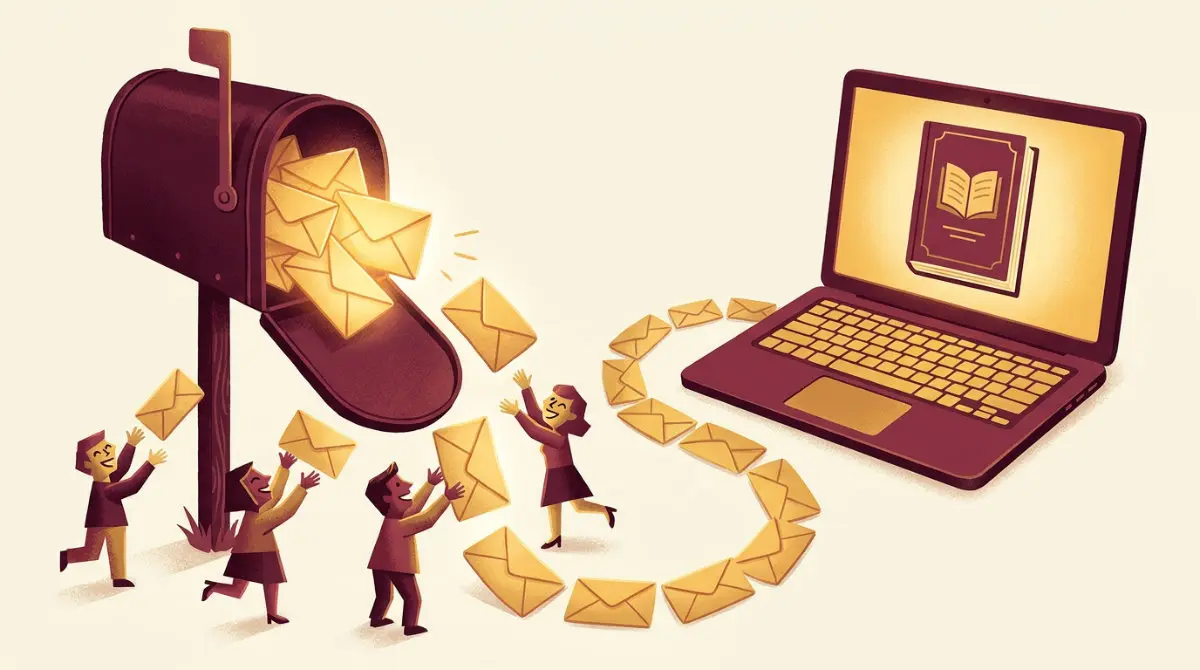
#4 — 📧 An Email Signup (This Is the One Most Authors Skip)
And here’s the big one. The thing I see missing from most author websites I look at.
An email list signup.
Not buried in your footer. Not hidden on a page nobody visits. A real, visible, “hey, join my list and I’ll send you cool stuff” signup that’s on your homepage, your about page, and ideally your books page too.
Here’s why this matters more than almost anything else on your site: social media followers aren’t yours. An email list IS yours. When you email your readers directly, your message lands in their inbox — not buried under an algorithm that decides whether to show it.
I’ve talked to authors with solid Instagram followings who launched a book to crickets. And I’ve talked to authors with small, tight email lists who sold out a pre-order in a weekend.
The difference? Email subscribers chose to hear from you. They raised their hand and said, “Yes, send me stuff.” That’s powerful 💪
What to offer them:
- 📖 A free short story or novella (the classic reader magnet)
- 🎬 A behind-the-scenes look at your writing process
- 🏷️ First access to cover reveals, release dates, or ARC opportunities
- ✉️ A simple “join my newsletter for updates” (this works too — don’t overthink it)
If you take ONE thing from this post, let it be this: put an email signup on your website today. Not tomorrow. Today. And if you want the full playbook on turning that signup into a real growth engine, check out our complete guide to email marketing for authors.
#5 — 💬 A Contact Page That’s Easy to Find
You’d be surprised how many author sites don’t have a way to get in touch. Agents, media, podcast hosts, potential collaborators — they need a way to reach you.
A simple contact form works great. You don’t need to publish your email address (hello, spam 🙄). Just a form with name, email, and message. Done.
Bonus: If you’re open to events, speaking, or media inquiries, say so on your contact page. A quick line like “Available for podcast interviews, book signings, and speaking events” can open doors you didn’t even know existed.
#6 — ✍️ A Blog That Proves You Know Your Stuff
A blog isn’t required. But it’s one of the most powerful tools an author has for getting found online.
Every blog post is a new door into your website. When someone Googles “best dark fantasy books for adults” and your blog post shows up? That’s a reader who just discovered you for free. No ads. No algorithms. Just your content doing the work.
You don’t need to post every day. Once a week or even twice a month is plenty. Write about:
- Your writing process and what you’re working on
- Book recommendations in your genre
- Behind-the-scenes peeks at your creative life
- Helpful tips for fellow authors (if that’s your audience)
The key: be consistent. A blog with four solid posts per month beats a blog with thirty posts in January and nothing for six months.
As Jane Friedman points out, the most effective author websites aren’t flashy — they’re functional, focused, and kept up to date.
#7 — ⭐ Social Proof (Reviews, Testimonials, Press Mentions)
Trust is everything online. When a new visitor lands on your site, they’re asking themselves one question: “Is this person legit?”
Social proof answers that question. This can be:
| Type | Where to Get It |
|---|---|
| Reader reviews | Pull your best ones from Amazon or Goodreads |
| Testimonials | Ask beta readers or ARC team members |
| Press mentions | Even small blog features or podcast appearances count |
| Awards | If you’ve won or been nominated — show it |
You don’t need a wall of reviews. Three to five strong quotes placed strategically on your homepage or books page does the job. Quality over quantity, always.
🚫 What NOT to Put on Your Author Website
Quick list of things I see on author sites that should probably go:
- Auto-playing music. Please. It’s 2026. Don’t do this. 😂
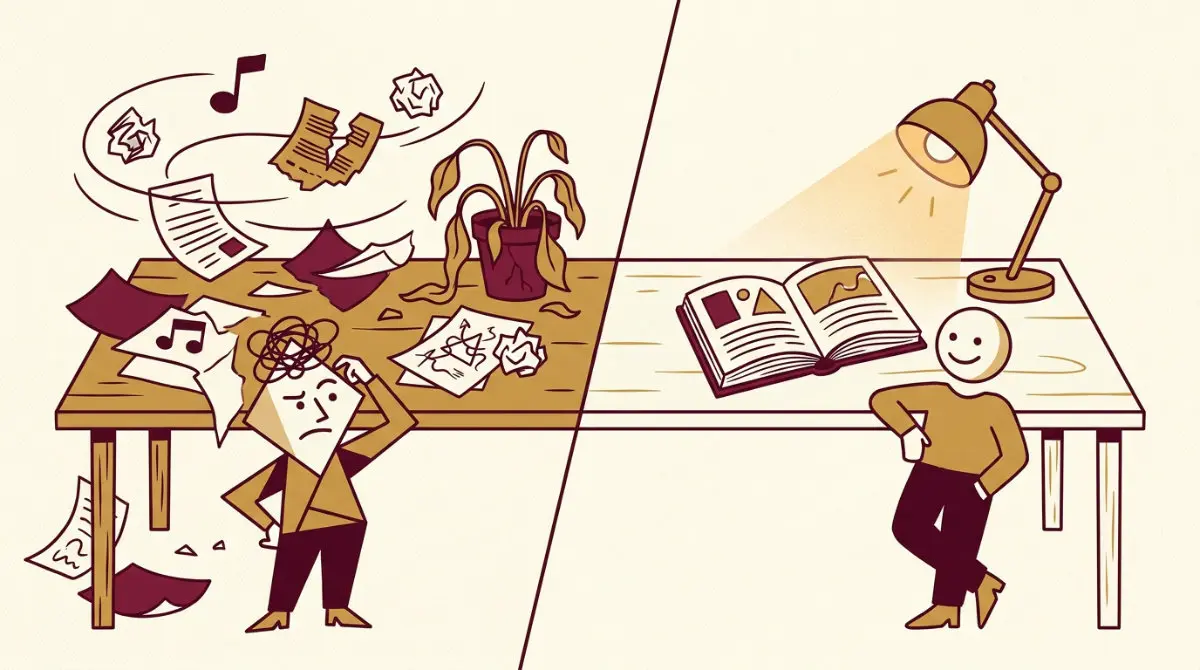
- A giant wall of text on your homepage. Save the novel for your books.
- Every social media link in your header. Pick 2-3 platforms, max. You don’t need all twelve.
- A “Coming Soon” page that’s been “coming soon” for two years. Either build it or take it down.
- Stock photos that have nothing to do with you or your books. Generic beach sunset? No. Your actual book covers and real photos? Yes.
📋 Here’s What We Covered
- ✅ Your homepage needs to communicate who you are in 3 seconds
- ✅ Your about page should tell a story, not read like a resume
- ✅ Your books page should make buying easy with direct links
- ✅ Your email signup is the #1 most missed element — and the most important
- ✅ Your contact page needs to exist and be easy to find
- ✅ A blog brings in free traffic from search engines
- ✅ Social proof builds trust with new visitors instantly
The biggest takeaway? If you don’t have an email signup on your site right now, that’s your #1 priority. Everything else can wait. Once your signup is live, follow our step-by-step guide on how to build an author website from scratch to get everything else in place.
❓ FAQ
How many pages does an author website need?
At minimum, you need four: a homepage, about page, books page, and contact page. Add an email signup to any of those pages plus a blog, and you’ve got a site that’s working hard for you.
Do I need a blog on my author website?
You don’t need one, but it’s one of the best ways to bring in new readers through search engines. Even two posts a month can make a real difference over time.
Should I sell books directly from my website?
If you can, absolutely. Selling direct means you keep a bigger cut of every sale and you own the customer relationship. But even if you’re only on Amazon right now, your website should still link there and make buying easy.
Want to see what a genre-matched author website actually looks like? Browse our template library and find a design built for your genre — not a one-size-fits-all page builder. 🎨