

TL;DR: Yes, every author needs a website. Social media and Amazon are rented land where you don’t control the rules. Your website is the one place you own your audience, capture emails, look professional, and show up when readers Google your name.
You wrote an entire book. You survived writer’s block, rewrites, and the publishing process. But when someone Googles your name, what do they find? If the answer isn’t “my website” — you’re leaving readers, sales, and opportunities on the table.
🤔 The Real Question You’re Asking
When authors ask “do I need a website?” — or “does an author need a website at all?” — they’re usually asking something else entirely:
- “Is it worth the effort?”
- “Can’t I just use Amazon and Instagram?”
- “I don’t know how to build one — is it even realistic?”
I get it. You’re a writer, not a web developer. The idea of adding another thing to your plate — on top of writing, editing, marketing, and actually living your life — feels overwhelming.
But here’s what I want you to consider: your website isn’t “another thing.” It’s the ONE thing that makes everything else work better. Your social media, your Amazon listings, your email list, your book launches — they all perform better when they have a home base to point to.
Let me show you why. And when you’re ready to get started, check out our complete guide to building an author website.
🏠 5 Things an Author Website Does That Nothing Else Can
1. You Own It
This is the big one. And I mean BIG.
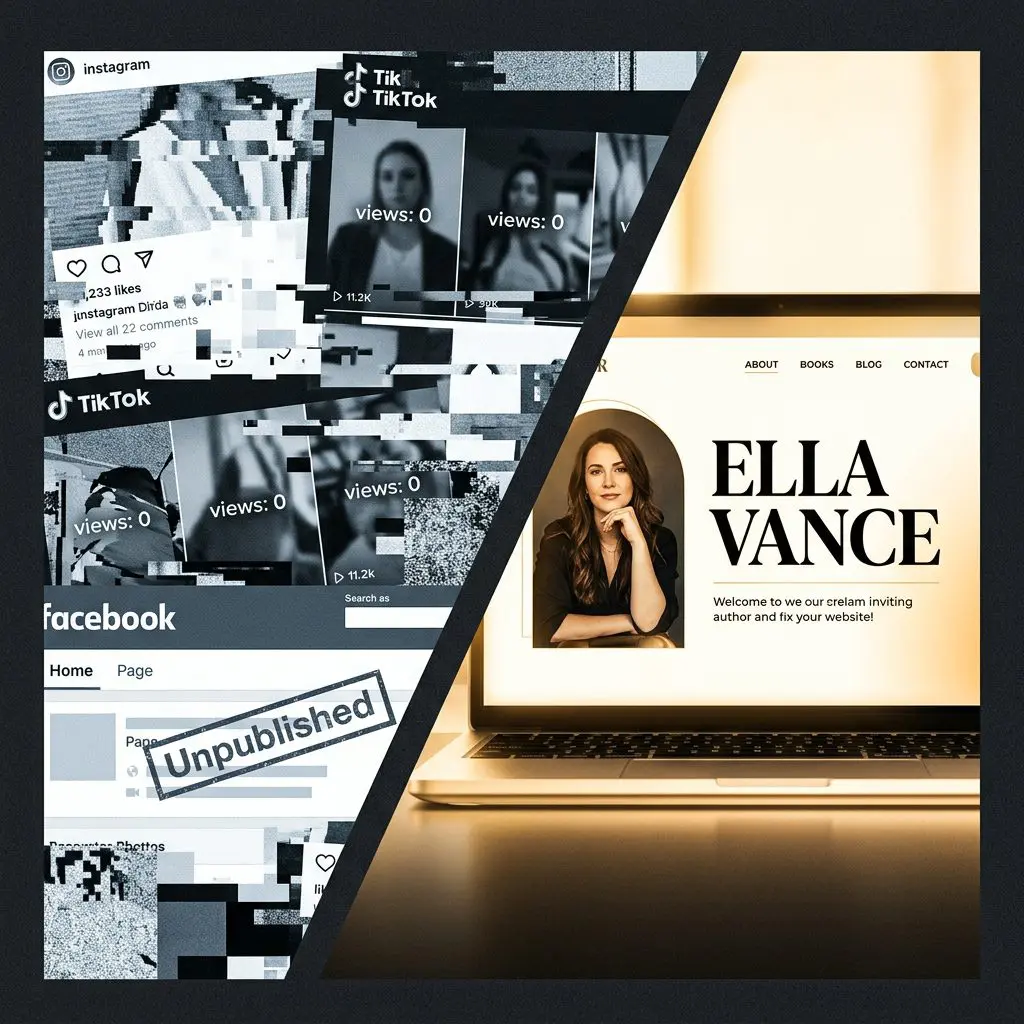
When you build your audience on Amazon, Instagram, Facebook, or TikTok — you’re building on rented land. The platform owns the rules, the algorithm, and the relationship with your readers.
What that looks like in practice:
- Amazon can change their royalty structure tomorrow. They’ve done it before.
- Facebook has been steadily reducing organic page reach for years. Pages that once reached most of their followers now reach a tiny fraction — and there’s nothing you can do about it.
- TikTok was nearly banned in the United States. If your marketing strategy depends on one platform, what happens when that platform disappears?
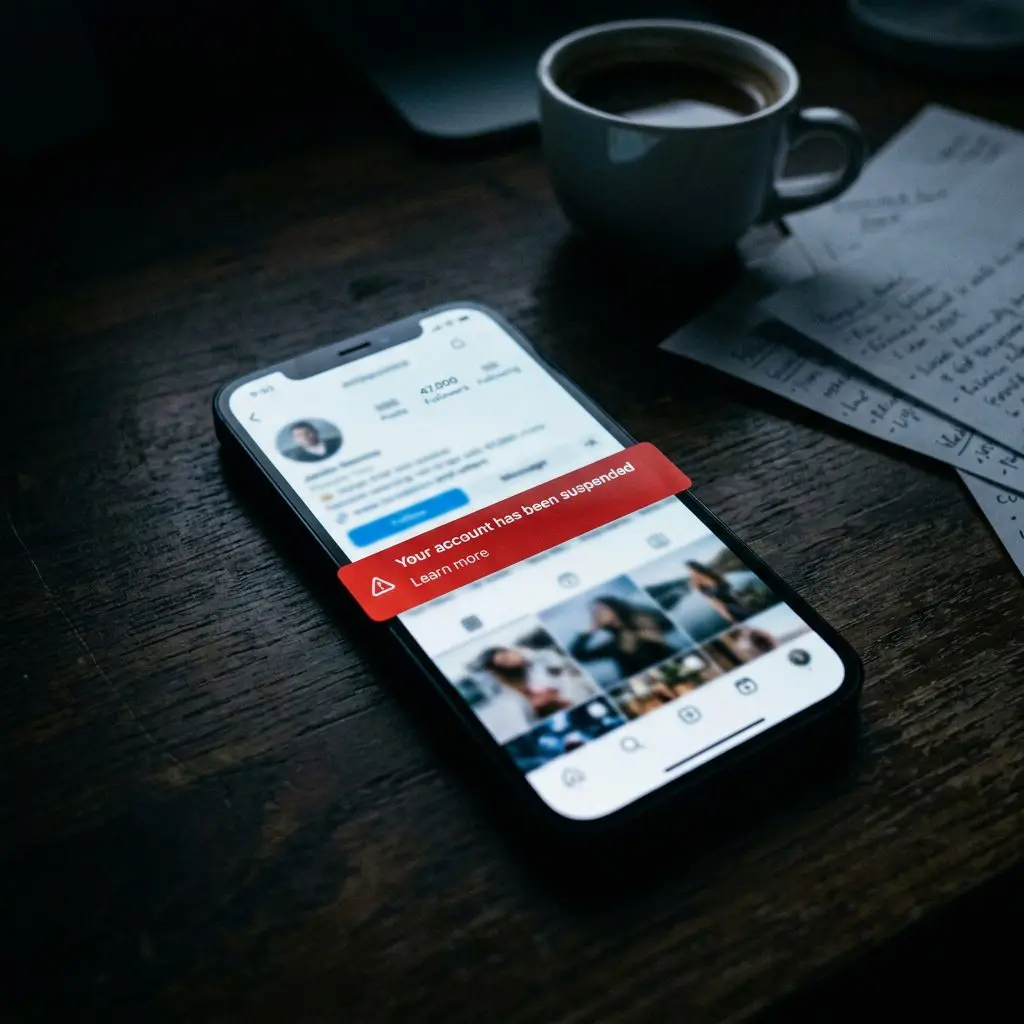
- Instagram can shadowban you for no clear reason — and there’s no customer service line to call.
Your website? Nobody can shut it down. Nobody can change the algorithm. Nobody can throttle your reach. You own the domain, you own the content, you own the reader relationship.
That’s not a technical feature. That’s a business decision.
2. It Works While You Sleep
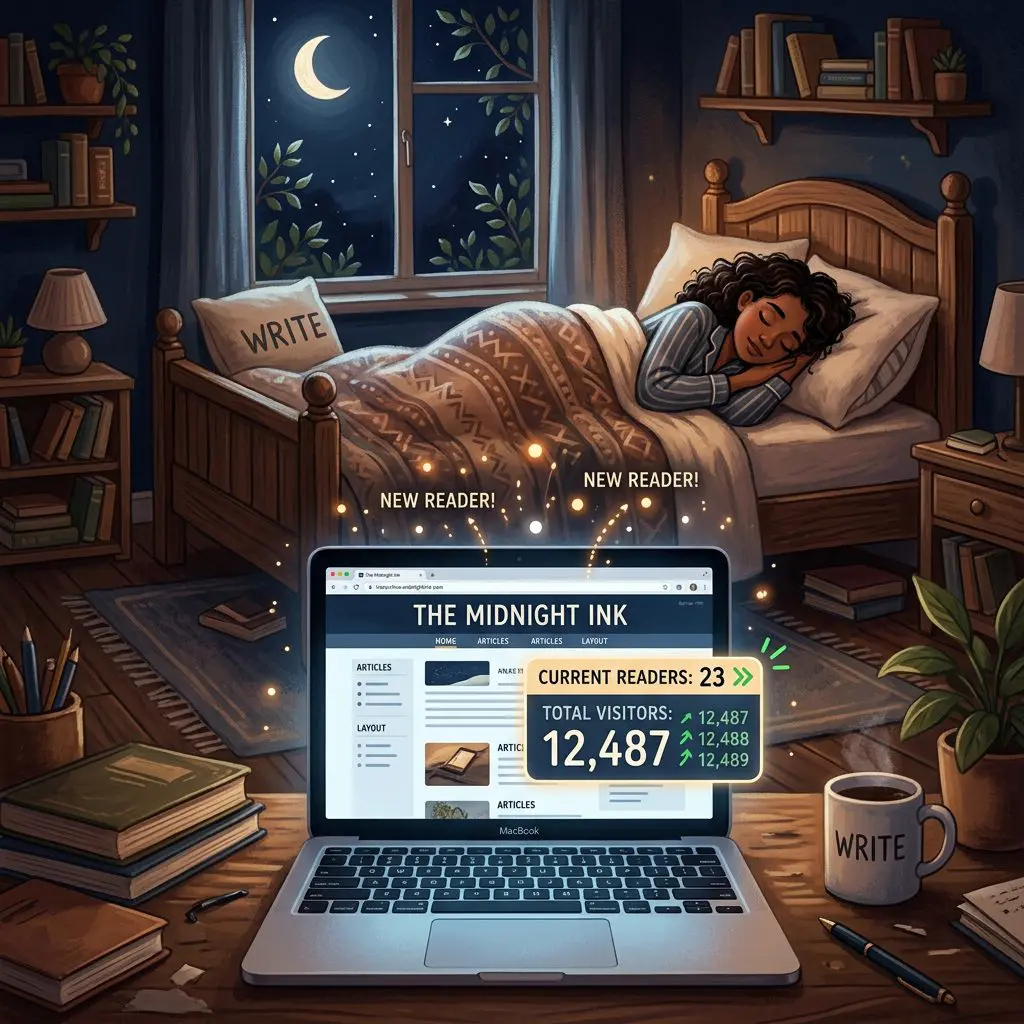
When someone types “romance author website” or “best sci-fi author” into Google at 2 AM, your social media posts from last Tuesday aren’t going to show up. But your website can.
Search engine optimization (SEO) is the most underrated marketing channel for authors. A well-structured author website with blog posts, book pages, and properly organized content can bring you new readers every single day — without you posting, engaging, or paying for ads.
The math is simple:
- A social media post has a lifespan of hours (sometimes minutes)
- A blog post on your website can rank in Google and bring traffic for YEARS
- One good article can generate more traffic in a month than 30 social posts
This isn’t theory. This is how content marketing works — and authors who understand it have an unfair advantage over authors who don’t. We break down the tools you need to make this work in our free tools guide.
nn
3. It’s Your Professional First Impression
When a reader, book blogger, podcast host, or literary agent Googles your name, what do they find?
- Without a website: A scattered trail of social profiles, maybe an Amazon listing, and probably some results that aren’t even you
- With a website: A professional author page with your books, your bio, your blog, your contact info, and your media kit — all in one place
Think about it from the other side. If a podcast wants to feature you, they need your bio, high-res photos, and book descriptions. If a bookstore wants to carry your books, they need to see you’re serious. If a reader finishes your book at midnight and wants to find your next one — they need somewhere to go.
Your website is that place. Your social media profile is not.
🎨 Want a professional author website without the DIY headache? We build genre-specific author websites that look like you hired a design agency — but at indie author prices. Check out our author website design services →
4. It Connects All Your Channels
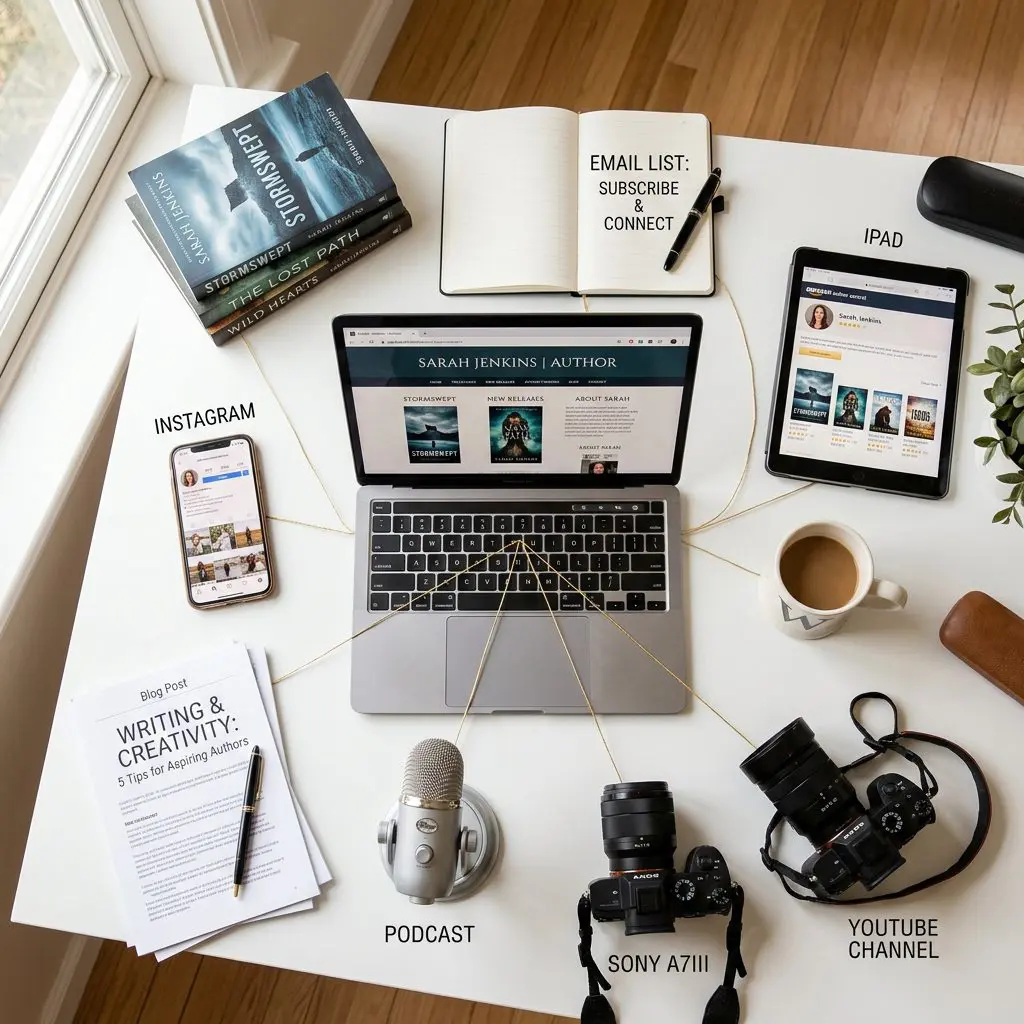
Your website is the hub. Everything else is a spoke.
| Channel | What It Does | Where It Points |
|---|---|---|
| Builds awareness | → Your website | |
| TikTok | Goes viral (sometimes) | → Your website |
| Amazon | Sells the current book | → Your website (for the email list) |
| Email list | Nurtures readers long-term | ← Built FROM your website |
| Blog | Brings in search traffic | Lives ON your website |
| Podcast interviews | Exposes you to new audiences | → Your website |
Without a website, these channels are disconnected. With a website, they’re a system. Every post, every interview, every listing can point to one place where you control the next step.
And the most important next step? Getting readers on your email list. Because that’s the one audience you truly own.
nn
5. It Sells Books Without Amazon’s Cut
Here’s a number most authors don’t think about: Amazon takes 30–65% of your book’s sale price through their royalty structure. For a $9.99 ebook, you might see $3.50–$7.00 depending on your price and program.
When you sell direct from your website — using WooCommerce, SureCart, or a similar tool — you keep 90–95% of the sale after payment processing.
| Amazon KDP | Direct Sale (Your Website) | |
|---|---|---|
| Book price | $9.99 | $9.99 |
| You keep | $3.50–$7.00 | ~$9.50 |
| Customer email | ❌ | ✅ |
| Customer data | ❌ | ✅ |
| Upsell opportunity | ❌ | ✅ |
That’s not just more money per sale — it’s the ability to build a reader relationship that Amazon will never give you. When someone buys from your website, you get their email. You can follow up. You can recommend Book 2. You can invite them to your launch team.
When someone buys on Amazon, you get… a royalty deposit 60 days later. That’s it.
📱 “But I Already Have [Social Media / Amazon / Goodreads]…”
I hear this a lot. Let me address each one:
“I have an Amazon Author Page.”
Great — but Amazon owns it. You can’t customize it, you can’t add an email signup, and you can’t control what Amazon recommends next to your books (hint: it’s usually your competitors).
“I have an Instagram / TikTok following.”
That’s valuable — for now. But algorithm changes, platform bans, and shifting trends mean your reach can drop 80% overnight. Your website is the safety net. Send your social followers to your website to join your email list, and you’ve turned temporary attention into a permanent relationship.
“I have a Goodreads profile.”
Goodreads is Amazon-owned and has barely been updated since 2013. It’s a great discovery tool, but it’s not YOUR platform. You can’t control the layout, add an email signup, or sell books directly. Use Goodreads, but don’t depend on it.
“I don’t have enough books yet.”
You only need one book — or even zero books. Pre-published authors use websites to build email lists, share writing updates, and establish their author brand before launch day. The earlier you start, the bigger your audience is when your book drops.
🌱 What If I’m Just Starting Out?
Perfect. This is actually the best time to build your website.
Here’s why: everything you do in your first year as an author — every social post, every networking email, every book event — is more effective when you have a website to send people to.
You don’t need a complex site. A few key pages are enough to start:
- Homepage — who you are and what you write
- Book page(s) — your books with buy links
- About page — your story as an author
- Blog — consistent content that attracts search traffic
- Email signup — the single most important element on your site
And you don’t need to spend a fortune on tools. We put together a guide on 7 free WordPress tools that handle email marketing, analytics, social media automation, and more — all from one dashboard.
The question isn’t whether you can afford to build a website. The question is whether you can afford NOT to.
📋 Here’s What We Covered
- ✅ Your website is the only platform you truly own — social media and Amazon can change the rules anytime
- ✅ SEO gives your website 24/7 passive discovery that social media can’t match
- ✅ It’s your professional first impression for readers, podcasters, bloggers, and agents
- ✅ It connects all your channels into a system instead of scattered islands
- ✅ Direct sales let you keep 90-95% of every sale instead of 35-70%
- ✅ You don’t need to be technical — you just need to start
❓ FAQ
How much does an author website cost?
It depends on how you build it. WordPress is free. Hosting runs $3–10/month. A professional template or theme is $50–100 one-time. If you want it fully managed — hosting, design, plugins, security, and support — services like My Indie Author Site offer all-in-one plans starting under $20/month. Either way, it’s less than a single Amazon ad campaign.
Can I build an author website myself?
Yes. WordPress with a good theme and page builder makes it possible even if you’ve never built a website before. There’s a learning curve, but it’s not as steep as you think. If you’d rather skip the DIY and get a site designed for your genre — we do that too.
What if nobody visits my website at first?
That’s normal. Every website starts at zero. The difference is that a website with blog content grows over time through search engine traffic. A social media post from last month is forgotten. A blog post from last month is indexed by Google and bringing in readers. Consistency wins.
Your books deserve a home. Not a rented room on someone else’s platform — a real home that you own, that works for you 24/7, and that turns curious readers into loyal fans. Start building yours today. 🏠
Want to see what a genre-matched author website looks like? Browse our template library and find a design built for your genre — not a one-size-fits-all page builder. 🎨